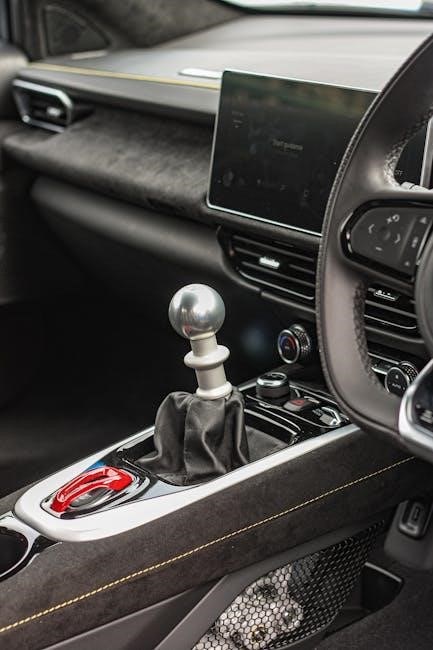
Manual Gearbox Stuck in Gear: A Comprehensive Guide
Dealing with a manual gearbox frozen in gear is frustrating; however, understanding potential causes is key. Notably, a 2017 recall addressed similar issues in certain models.
Understanding the Problem
A stuck gear in a manual transmission prevents smooth shifting, potentially leaving the vehicle immobile or operating only in a single gear. This isn’t merely an inconvenience; it signals a mechanical issue requiring prompt attention. The problem manifests as resistance when attempting to move the gear lever, or the lever feels loose and doesn’t engage gears correctly.
It’s crucial to differentiate between difficulty shifting and a completely stuck gear. Difficulty can stem from normal wear and tear, while a stuck gear usually indicates a more significant underlying fault. Remember, some models experienced a recall in 2017 for a remarkably similar symptom, suggesting a potential design or manufacturing flaw. Ignoring this issue can lead to further damage and costly repairs, impacting vehicle safety and functionality.
Common Causes of a Stuck Gear
Several factors can contribute to a manual gearbox becoming stuck. Internal issues within the transmission, like worn synchronizers or damaged gears, create friction and hinder movement. Problems with the clutch system – a worn disc, hydraulic failures, or a stretched cable – prevent complete disengagement, making shifting impossible.
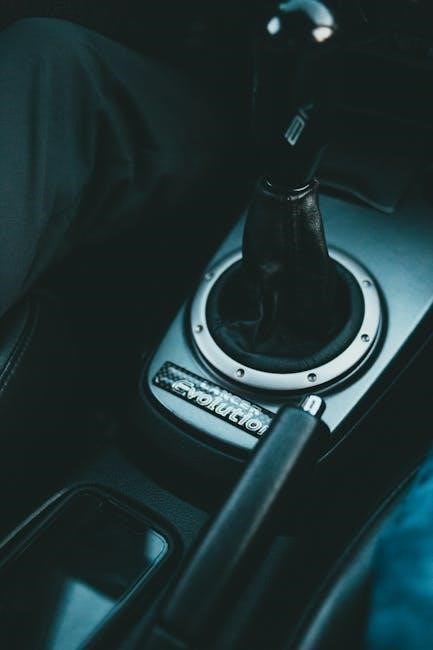
External factors also play a role. Worn or damaged shift linkage components, such as bushings or the linkage itself, can bind or break, obstructing gear selection. Low transmission fluid reduces lubrication, increasing friction. Don’t overlook the possibility of a failed pilot bearing, especially considering the 2017 recall for similar issues in certain vehicle models. A thorough diagnosis is essential to pinpoint the exact cause.
Clutch System Issues
A malfunctioning clutch is a frequent culprit when a manual gearbox locks up. The clutch’s primary function is to disconnect the engine from the transmission, allowing for smooth gear changes. If this disconnection is incomplete, the gears can’t freely move. A worn clutch disc loses its friction material, hindering proper engagement and disengagement.
Hydraulic clutch problems, like leaks or a failing master/slave cylinder, reduce pressure, impacting clutch operation. Similarly, clutch cable issues – stretching or breakage – prevent full clutch travel. Remember the 2017 recall; clutch-related issues were a significant component of reported problems, so careful inspection is vital.
Worn Clutch Disc
A worn clutch disc significantly contributes to a gearbox becoming stuck, as it directly impacts the ability to fully disengage the engine from the transmission. Over time, the friction material on the disc erodes due to constant use, leading to slippage and incomplete separation. This incomplete disengagement creates drag, making it difficult – or impossible – to shift gears smoothly.
When the disc is excessively worn, it can’t generate enough friction to properly grip the flywheel, resulting in a persistent pressure that keeps the gears engaged. The 2017 recall highlighted cases where premature clutch wear exacerbated similar gearbox issues, emphasizing the importance of regular inspection and timely replacement to prevent a stuck gear situation.
Hydraulic Clutch Problems
Hydraulic clutch systems rely on fluid pressure to operate, and any compromise within this system can lead to a stuck gearbox. Leaks in the master or slave cylinder, or a failing clutch master cylinder, reduce the pressure needed for full clutch disengagement; Air bubbles within the hydraulic lines also compromise pressure, creating a spongy pedal feel and incomplete clutch release.
Insufficient hydraulic pressure prevents the clutch from fully separating the engine from the transmission, causing drag and difficulty shifting. The 2017 recall, while focused on other components, indirectly pointed to the interconnectedness of the clutch system; a failing hydraulic component could worsen existing issues. Thoroughly inspecting the hydraulic system for leaks and proper fluid levels is crucial.
Clutch Cable Issues
For vehicles utilizing a cable-operated clutch, problems with the cable itself can directly cause a gearbox to become stuck. Stretching or fraying of the cable over time reduces its ability to fully disengage the clutch, leading to incomplete gear separation. Rust and corrosion within the cable housing increase friction, hindering smooth operation and potentially seizing the cable altogether.
A broken clutch cable will, of course, prevent clutch disengagement, leaving the gearbox locked in its current gear. While the 2017 recall didn’t specifically address cables, a worn or damaged cable can exacerbate issues highlighted in the recall, contributing to similar symptoms. Regular inspection of the cable for wear, fraying, and proper lubrication is vital for preventing this issue.
Shift Linkage Problems
The shift linkage is the mechanical connection between your gear stick and the transmission itself. Issues within this system can prevent proper gear selection and leave the gearbox seemingly stuck. Problems aren’t always dramatic; sometimes, subtle binding or resistance builds up over time, making shifting difficult and eventually causing a complete lock-up.
Worn components within the linkage allow for excessive play, while damage can cause misalignment. This misalignment prevents the transmission from fully engaging or disengaging gears. While the 2017 recall focused on internal transmission issues, a compromised shift linkage can mimic those symptoms. Thoroughly inspecting the linkage for damage and ensuring proper adjustment is crucial for diagnosing and resolving this issue.
Worn or Damaged Bushings
Within the shift linkage, bushings are small, often rubber or polyurethane components that cushion and guide the movement of the linkage rods. Over time, these bushings degrade due to age, heat, and constant stress, becoming cracked, brittle, or completely disintegrating. This allows excessive play within the linkage, creating slop and imprecision in gear selection.
Worn bushings contribute significantly to a “loose” or vague shifting feel, and in severe cases, can prevent the linkage from properly engaging the selected gear. This can manifest as difficulty shifting into specific gears or, critically, the sensation of the gearbox being stuck. While the 2017 recall addressed other concerns, deteriorated bushings are a common contributor to similar symptoms, requiring inspection and replacement.
Bent or Broken Shift Linkage
The shift linkage – the series of rods, levers, and joints connecting the gear shifter to the transmission – is susceptible to physical damage. Impacts, such as from undercarriage scrapes or aggressive driving over rough terrain, can bend or even break these components. Corrosion, particularly in areas exposed to road salt, also weakens the linkage over time, increasing the risk of failure.
A bent linkage will distort the intended shift pattern, making it difficult or impossible to select certain gears. A broken linkage will obviously render the vehicle undrivable, or potentially leave it stuck in a gear. While not directly linked to the 2017 recall, physical damage to the linkage can mimic the symptoms, requiring a thorough visual inspection for any obvious bends, cracks, or missing parts.
Internal Gearbox Issues
When external factors are ruled out, the problem likely resides within the gearbox itself. Several internal components can cause a gear to lock up. Worn or damaged synchromesh rings, crucial for smooth gear engagement, can create excessive friction, preventing proper shifting. Severely damaged gears, due to wear, impact, or lack of lubrication, can physically bind within the transmission housing.
Furthermore, worn shift forks – the components that move the gears into position – may struggle to fully engage or disengage, leading to a stuck gear. These internal failures aren’t directly related to the 2017 recall, but represent more complex and costly repairs. Diagnosing these issues often requires a professional gearbox inspection and potentially a complete rebuild.
Synchromesh Problems
Synchromesh rings are vital for synchronizing the speeds of the gears before engagement, ensuring smooth, quiet shifts. When these rings wear down, they lose their ability to effectively match speeds, resulting in grinding and difficulty selecting gears. A failing synchromesh can cause a gear to become stuck, particularly during aggressive or rushed shifting.
The issue isn’t always complete failure; sometimes, debris or corrosion can interfere with the synchromesh’s operation. While not directly linked to the 2017 recall, neglecting worn synchromesh can exacerbate other internal gearbox problems. Symptoms include difficulty getting into a specific gear, a grinding noise during shifts, and, ultimately, a gear that refuses to disengage.
Damaged Gears
Significant damage to the gearbox gears themselves is a serious cause of a stuck gear. This damage can stem from several factors, including prolonged operation with worn synchromesh rings, aggressive shifting habits, or a lack of proper lubrication. Chipped, cracked, or completely broken teeth on a gear will prevent smooth rotation and engagement.
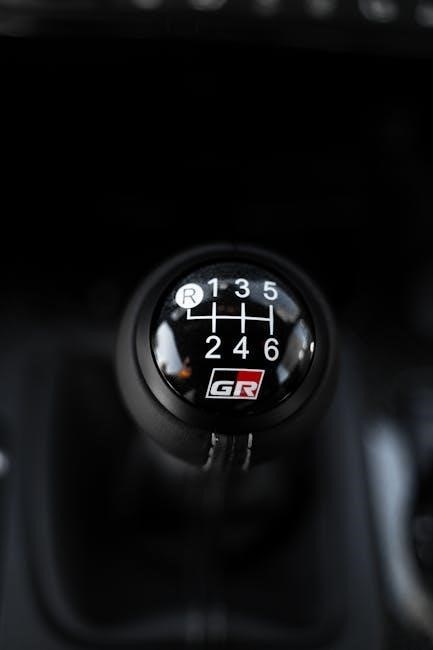
While not directly connected to the 2017 recall, ignoring initial symptoms like unusual noises or difficulty shifting can lead to catastrophic gear failure. A severely damaged gear can even cause other components, like the shift forks, to become damaged as well. Identifying and replacing damaged gears requires a complete gearbox inspection and often a professional repair.
Worn Shift Forks
Shift forks are crucial components responsible for physically moving the gears into engagement. Over time, these forks can experience wear, particularly at the contact points with the synchronizers and gear sleeves. This wear can lead to rounded edges or even breakage, hindering their ability to reliably select the desired gear.
A worn shift fork might allow a gear to partially engage, creating a sensation of being stuck. While not directly linked to the 2017 recall, neglecting rough shifting or a failing clutch can accelerate fork wear. Diagnosis usually involves inspecting the forks during gearbox disassembly. Replacement is necessary to restore proper shifting function and prevent further damage to other internal components.
Low Transmission Fluid
Insufficient transmission fluid can significantly impact the gearbox’s ability to function smoothly, potentially causing gears to become stuck. Fluid provides lubrication, cooling, and hydraulic pressure essential for proper shifting. When levels are low, synchronizers struggle to engage gears fully, leading to resistance and a stuck sensation.
While not directly mentioned in relation to the 2017 recall, consistently low fluid levels exacerbate wear on internal components. Checking the fluid level is a simple initial diagnostic step. Look for leaks around seals and the fill plug. Top up with the manufacturer-recommended fluid type. However, simply adding fluid won’t fix underlying issues like leaks or internal damage; it’s a temporary measure.
Pilot Bearing Failure
The pilot bearing, located within the crankshaft, supports the input shaft of the transmission. A failing pilot bearing can create significant drag, making it difficult to disengage the clutch and shift gears, ultimately leading to a stuck gearbox. Symptoms include a whining noise when the clutch pedal is depressed, or difficulty getting the car into gear, not just stuck in gear.
Although not directly linked to the 2017 recall, a worn or seized pilot bearing adds resistance to the drivetrain. Diagnosis usually requires removing the transmission. Replacement is essential to restore smooth operation. Ignoring this issue can cause further damage to the clutch disc, pressure plate, and even the crankshaft seal, escalating repair costs.
Recall Information (Specific Models ౼ e.g., 2017 Recall)
In 2017, several vehicle models experienced a recall related to issues remarkably similar to a stuck manual gearbox. The problem stemmed from a faulty shift interlock cable, preventing drivers from reliably selecting gears, or leaving the transmission unable to disengage. Affected vehicles included certain model years of the Ford Focus and Fiesta, specifically those manufactured between 2011 and 2016.
The National Highway Traffic Safety Administration (NHTSA) issued the recall, urging owners to have the shift cable inspected and replaced free of charge. If your vehicle falls within the affected range, verifying if the recall work was completed is crucial, even if you didn’t own the car in 2017. A VIN lookup on the NHTSA website can confirm recall status.
Initial Troubleshooting Steps
Before assuming a major repair, several simple checks can help diagnose a stuck gearbox. First, attempting to rock the vehicle gently back and forth while lightly pressing the clutch can sometimes dislodge a stubborn shift linkage. Ensure the parking brake is firmly engaged during this process. Next, checking clutch pedal feel is vital; a spongy or unusually high pedal could indicate hydraulic issues.
Also, try repeatedly, but gently, attempting to move the gear lever to neutral. Avoid excessive force, as this could worsen the problem. Listen for any unusual noises during these attempts. If these initial steps fail, further investigation is needed, potentially involving a mechanic’s expertise.
Attempting to Rock the Vehicle
This technique aims to relieve pressure on the gears and shift linkage. With the parking brake securely engaged, start the engine and gently attempt to move the vehicle forward and backward – “rocking” it. Simultaneously, lightly depress the clutch pedal and try to shift into neutral. Do not apply excessive throttle or force.
The subtle movement can sometimes dislodge a partially engaged gear or free a sticky synchronizer. Repeat this process several times, varying the rocking motion. If successful, the gear should slip into neutral. However, if it remains stuck after multiple attempts, avoid prolonged rocking, as it could cause further damage. Proceed to other troubleshooting steps.
Checking Clutch Pedal Feel
A proper clutch pedal feel is crucial for smooth gear changes. Begin by pressing the clutch pedal slowly to the floor. Note if it feels unusually soft, spongy, or hard. A soft pedal often indicates air in the hydraulic system, while a hard pedal could suggest a problem with the clutch cable or pressure plate.
Listen for any unusual noises during clutch operation. A grinding or squealing sound might point to a worn throw-out bearing. Also, check for adequate pedal travel; insufficient travel can prevent complete clutch disengagement. If the pedal feels significantly different than usual, it’s a strong indicator of a clutch system issue contributing to the stuck gear problem.
Tools Needed for Diagnosis
Accurate diagnosis of a stuck manual gearbox requires a few essential tools. A standard socket set and wrench set are fundamental for accessing various components. A jack and jack stands are vital for safely lifting the vehicle to inspect underneath. A flashlight is necessary for visibility in darker areas of the undercarriage.
A mechanic’s stethoscope can help pinpoint unusual noises originating from the gearbox or clutch. A multimeter is useful for testing electrical components related to the clutch system, if applicable. Finally, penetrating oil will be helpful for loosening corroded or stuck parts. Having these tools readily available will streamline the diagnostic process.
DIY Fixes (Simple Cases)
For some instances of a stuck manual gearbox, a simple DIY fix might suffice. Begin by lubricating the shift linkage with penetrating oil, focusing on pivot points and bushings. Repeatedly move the shifter through its range of motion after application, hoping to free it up. Ensure the parking brake is firmly engaged before attempting any rocking maneuvers.
Gently rocking the vehicle back and forth, while attempting to shift, can sometimes dislodge a partially engaged gear; However, avoid excessive force. If the issue persists, or if you suspect a more serious internal problem, refrain from further DIY attempts and seek professional assistance to prevent further damage.
Lubricating the Shift Linkage
Lubricating the shift linkage is a crucial first step when addressing a stuck gear. Corrosion and grime build-up are common culprits, hindering smooth movement. Use a high-quality penetrating oil or lithium grease specifically designed for automotive applications. Access the linkage points – often under the vehicle or within the interior – and thoroughly coat all pivot points, bushings, and joints.
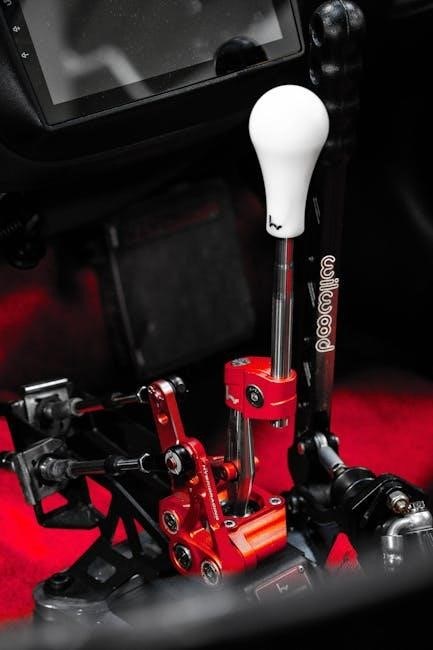
After applying lubricant, repeatedly move the gear shifter through all its positions. This helps work the lubricant into the mechanism and dislodge any stubborn debris. Check for improved movement; if resistance remains significant, further professional diagnosis is recommended. Regular lubrication, as part of preventative maintenance, can avoid this issue.
When to Seek Professional Help
Attempting DIY fixes is sensible for simple issues, but certain scenarios demand a qualified mechanic. If rocking the vehicle and lubricating the linkage fail to resolve the problem, internal gearbox damage is likely. Ignoring persistent issues can lead to catastrophic failure and expensive repairs.
Specifically, if you suspect synchromesh problems, damaged gears, or a failing pilot bearing, professional intervention is crucial. The 2017 recall for similar issues highlights the potential for complex underlying causes. Don’t risk further damage – a skilled technician can accurately diagnose the root cause and implement the correct solution, ensuring your vehicle’s safety and longevity.
Cost of Repair (Estimated)
Repair costs vary significantly depending on the cause of the stuck gear. Simple fixes, like lubricating the shift linkage, might cost between $50 and $200. However, clutch system repairs – including disc replacement or hydraulic work – typically range from $300 to $800.
Internal gearbox issues are considerably more expensive. Synchromesh replacement can run $500-$1500, while damaged gears or shift forks could necessitate a full gearbox rebuild, costing $1,500 to $3,500 or more. Remember the 2017 recall? If your vehicle falls under it, repairs may be covered. Always obtain multiple quotes from reputable mechanics for an accurate assessment and transparent pricing.
Preventative Maintenance
Proactive maintenance significantly reduces the risk of a stuck gearbox. Regular transmission fluid checks – every 30,000 miles or as recommended in your owner’s manual – are crucial. Ensure the fluid level is correct and the fluid itself is clean and free of debris.
Smooth shifting techniques also play a vital role. Avoid aggressive or rushed gear changes, and fully depress the clutch pedal each time. Consider the 2017 recall; even if unaffected, diligent care is best. Inspect shift linkage components periodically for wear. Addressing minor issues early prevents them from escalating into costly repairs and keeps your manual gearbox operating smoothly for years to come.
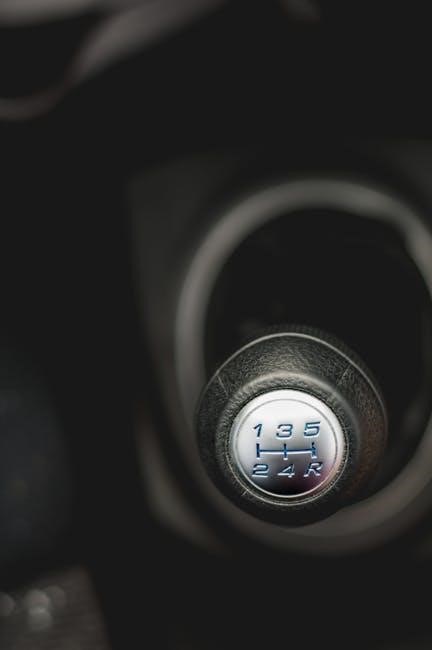
Regular Transmission Fluid Checks
Consistent transmission fluid checks are paramount for preventing gearbox issues, including getting stuck in gear. Inspect the fluid level monthly, or before long trips, using the dipstick (if equipped). Look for a healthy amber or reddish hue; dark, murky, or burnt-smelling fluid indicates contamination or degradation.
Top up as needed with the manufacturer’s recommended fluid type. Remember the 2017 recall highlighted component failures; proper lubrication minimizes stress. Low fluid levels can cause increased friction and difficulty shifting. A complete fluid change, typically every 30,000-60,000 miles, ensures optimal performance and longevity of your manual transmission.
Smooth Shifting Techniques
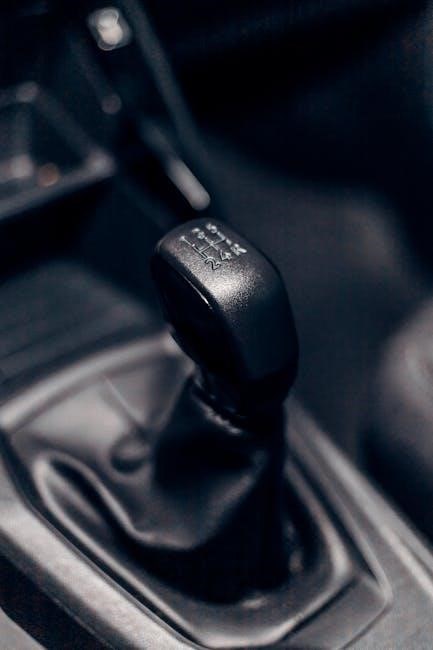
Employing proper shifting techniques significantly reduces stress on the gearbox, potentially preventing it from becoming stuck. Fully depress the clutch pedal before each gear change, ensuring complete disengagement. Avoid “speed shifting” or forcing the gear lever; smooth, deliberate movements are crucial.
Rev-matching during downshifts minimizes jarring and wear on the synchromesh – a component implicated in some gearbox failures, as seen in the 2017 recall. Release the clutch smoothly after selecting the next gear. Rough shifting creates excessive wear and tear, contributing to internal damage and increasing the risk of a stuck gear. Gentle habits prolong transmission life.
Long-Term Consequences of Ignoring the Problem
Ignoring a stuck gear can escalate from a minor inconvenience to a catastrophic failure. Continued attempts to force shifting can damage gears, synchromesh rings, and shift forks, leading to expensive internal repairs. The initial issue, potentially linked to the 2017 recall for similar problems, will worsen over time.
Furthermore, prolonged strain on the transmission can affect the clutch and even the engine. Metal fragments from damaged gears contaminate the transmission fluid, accelerating wear on all components. Ultimately, complete gearbox failure necessitates replacement, a significantly higher cost than addressing the initial problem promptly. Don’t risk a complete breakdown; seek diagnosis and repair.
Leave a Reply
You must be logged in to post a comment.